
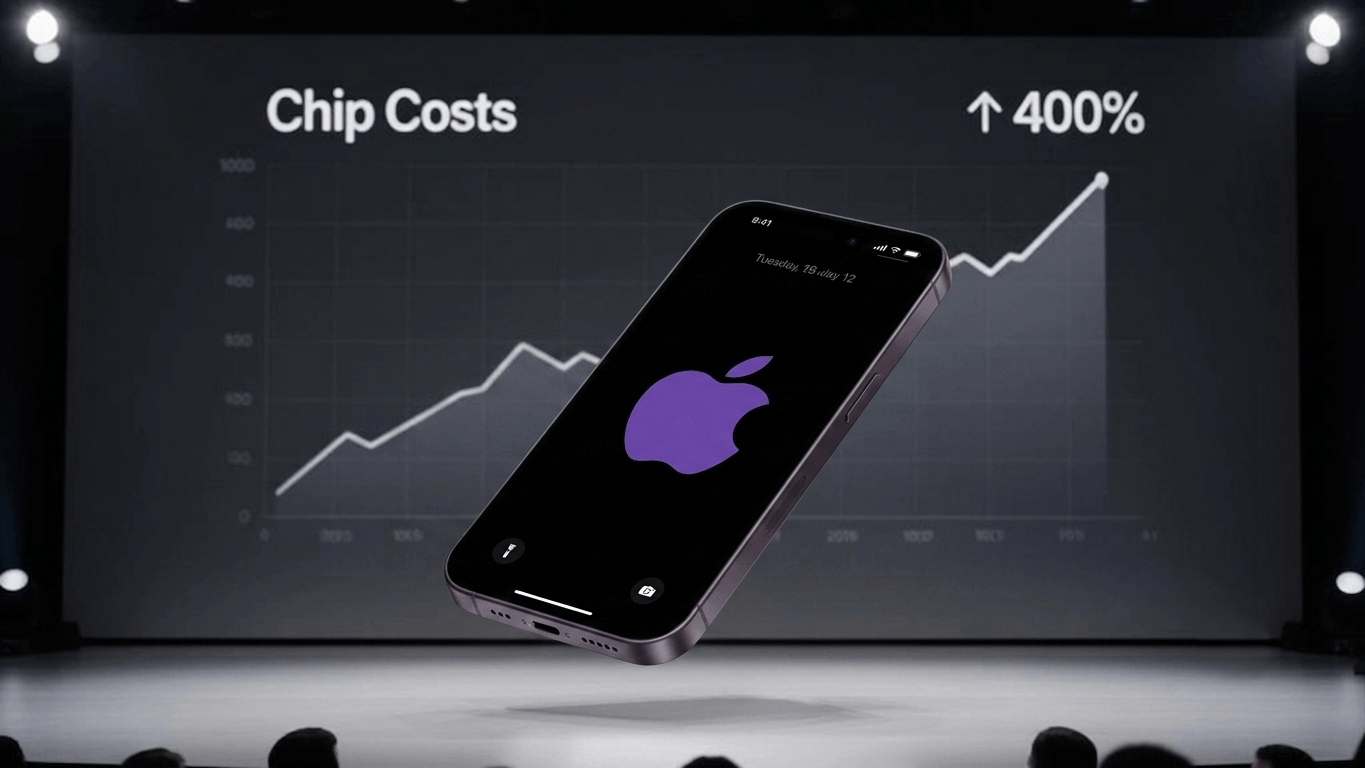
Apple CEO Tim Cook has confirmed that the company will be forced to raise prices on some of its products as soaring memory and RAM costs continue to put pressure on Apple’s finances. In an interview with The Wall Street Journal, Cook described the current situation as “unsustainable,” noting that Apple can no longer absorb the rapidly rising costs of memory chips.
The announcement comes amid a global memory shortage driven by the explosive growth of artificial intelligence (AI). Tech giants are purchasing massive quantities of DRAM and NAND memory chips to power AI data centers, leading to supply constraints and significantly higher prices across the semiconductor industry.
AI Boom Driving Memory Chip Shortages
According to industry reports, demand for memory chips has surged as companies including Amazon, Microsoft, Meta, and Alphabet invest heavily in AI infrastructure. These firms have secured large supplies of DRAM and storage chips through long-term contracts, reducing availability for consumer electronics manufacturers.
The shortage has resulted in a sharp increase in memory prices over the past year. Apple previously shielded consumers from these rising costs by relying on inventory purchased before the price surge. However, that buffer is now running out.
Apple Has Already Started Making Changes
While Apple has not announced specific product price increases yet, the company has already taken several steps to reduce the impact of higher memory costs.
Recent reports indicate that Apple discontinued certain high-memory configurations of the Mac Studio and removed several Mac Mini variants from its lineup. These changes effectively increased the starting prices of some Mac models while reducing Apple’s exposure to expensive RAM components.
The Mac Mini now starts at $799 after the removal of lower-priced configurations, and analysts believe additional product lineup adjustments could follow in the coming months.
Future iPhones, Macs, and iPads Could Cost More
Although Cook did not specify which devices would receive price increases, analysts expect Apple’s flagship products to be affected, including future iPhones, MacBooks, iPad, and Mac models.
Some industry estimates suggest that premium devices such as the upcoming iPhone 18 Pro could see significant price increases if memory costs remain elevated. Reports indicate that higher component costs may push premium smartphone prices noticeably higher than current models.
Apple had previously warned investors during its quarterly earnings call that memory costs would have an “increasing impact” on the company’s business throughout 2026. At the time, Cook stated that Apple was evaluating a range of options to address the issue.
Tim Cook Calls Situation ‘Unsustainable’
Cook emphasized that Apple has worked hard to protect customers from rising component costs, but the company can no longer absorb the increases indefinitely.
The Apple CEO said the company would continue exploring ways to improve supply availability, but acknowledged that pricing adjustments have become unavoidable due to the severity of the memory shortage.
The company has also ruled out building its own memory manufacturing facilities, instead focusing on securing supply through partnerships and long-term agreements with existing chip manufacturers.
What It Means for Consumers
For consumers, the announcement could mean higher prices for future Apple devices launching later this year and beyond. While Apple has not provided a timeline for the increases, analysts expect the impact to become visible around upcoming product launches, including the next generation of iPhones and Macs.
Read Also: Everything Apple Announced During The WWDC 2026 Keynote Event
As AI-related demand continues to strain the global memory market, Apple is not the only company facing higher costs. The broader technology industry is also grappling with rising prices for RAM and storage components, making more expensive consumer electronics increasingly likely over the next few years.
RAM expenses are unsustainable. Tim Cook
We can no longer absorb the increased costs. Tim Cook
Conclusion
Apple’s warning signals a major shift for consumers who have largely been shielded from the ongoing memory chip crisis. With AI data centers consuming an unprecedented share of global memory supplies, Apple now says higher product prices are becoming unavoidable. Unless memory markets stabilize in the near future, customers may soon pay more for future iPhones, Macs, iPads, and other Apple devices.

