
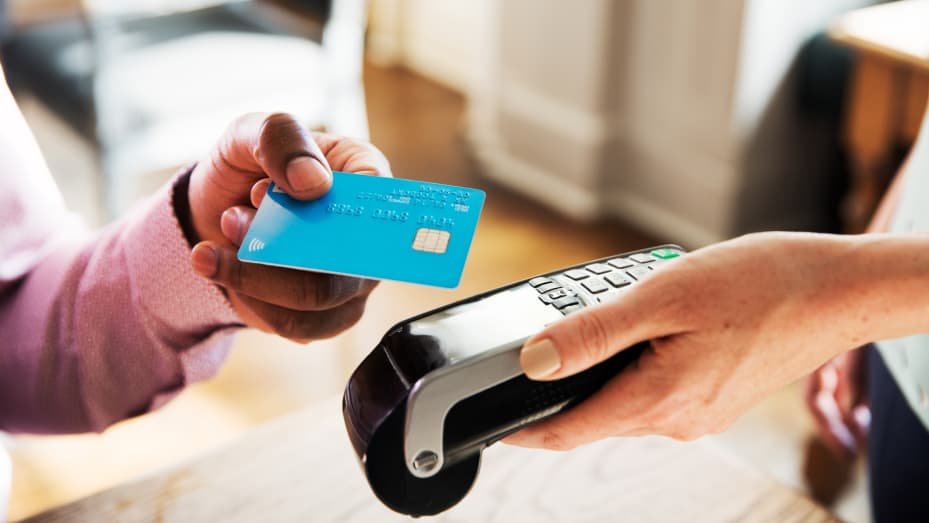
The Punjab government has proposed a significant change in how restaurants are taxed, particularly focusing on payments made through digital methods such as debit cards, credit cards, QR payments, and mobile wallets. According to budget proposals for FY 2026–27, the province is reviewing a plan to remove the preferential tax treatment currently available on digital transactions in the hospitality sector.
At present, certain documented restaurant transactions paid through digital channels are taxed at a lower rate of around 5%, while the standard sales tax rate applied to restaurants remains closer to 15%. The new proposal seeks to eliminate this gap and bring digital payments in line with the standard tax structure.
Proposed Tax Adjustment from 5% to 15%
Under the proposed changes, restaurant payments made through digital and banking channels may no longer benefit from reduced taxation. Instead, these transactions could be taxed at the standard rate of up to 15%, which is already applicable in many cases for cash-based billing under the Punjab Revenue Authority (PRA) framework.
This change removes the existing advantage of paying via card or digital wallets, creating a uniform tax rate across all payment methods. The adjustment aims to simplify the tax structure and reduce discrepancies in reporting between cash and digital transactions.
Government’s Objective Behind the Proposal
The Punjab government has introduced this proposal primarily to strengthen revenue collection and improve transparency in the restaurant sector. Officials believe that the current difference between cash and digital tax rates creates opportunities for under-reporting and split billing practices, where businesses may declare lower taxable sales.
By aligning digital payments with the standard tax rate, the government aims to ensure more accurate documentation of restaurant revenues. The proposal is also part of a broader fiscal strategy to expand the tax base without introducing entirely new taxes, focusing instead on improving enforcement and compliance.
Link with Digital Economy and Tax Reforms
Punjab has been actively promoting digital financial systems in recent years, including QR-based payment solutions and integration with national platforms like Raast. However, this new proposal appears to shift focus from incentivizing digital adoption to maximizing tax efficiency and revenue collection.
The Punjab Revenue Authority has already taken steps toward digitizing restaurant billing systems, requiring many businesses to adopt point-of-sale and QR-based reporting tools. The proposed tax revision builds on these reforms by tightening the financial reporting structure across both cash and digital transactions.
Read Also: National Savings Announces Rs200 Prize Bond Draw Winners for June 15, 2026
Impact on Restaurants and Consumers
If the final Punjab Finance Bill 2026–27 approves the proposal, consumers may face higher costs when paying through digital methods, since the previous tax advantage will no longer apply.
For restaurant owners, the change may result in simpler tax calculations but stricter compliance requirements. Businesses will need to ensure accurate reporting across all payment methods, with less flexibility in managing tax differences between cash and digital sales.
Expected Industry Reaction
The proposal is likely to generate mixed reactions from stakeholders in the hospitality and fintech sectors. While tax authorities may welcome the move to improve transparency and revenue collection, businesses and digital payment providers could view it as a step backward for the growth of a cashless economy.
Industry stakeholders will provide feedback before the final approval of the Punjab Finance Bill 2026–27, after which the government will decide whether to implement the revised tax structure.
Conclusion
The Punjab government’s proposal to increase the tax on restaurant cards and digital payments from around 5% to 15% reflects a major shift in fiscal strategy. While it aims to strengthen tax compliance and increase revenue, it may also reduce incentives for digital payments at a time when Pakistan is actively encouraging a cashless economy.